Dracula
A novel with no narrator — only evidence. And all of it is dated.
7,8from 2.673 reader ratings · 332 pages · 12 adaptations
Bram Stoker, 1897. Not one sentence comes from an omniscient storyteller. What you get is a file: letters, diary entries, telegrams, newspaper cuttings and phonograph cylinders, arranged as though someone gathered them afterwards and handed them over to be read.
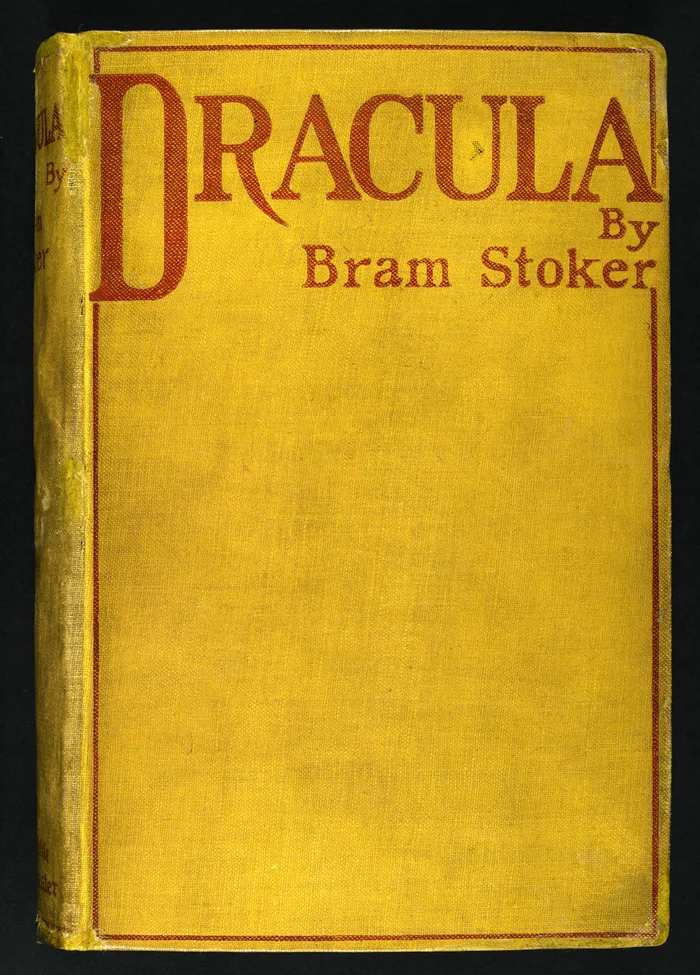
Read it by the dates, not by the pages
The one piece of advice that changes this book
Because every document is dated, the novel can be read by the calendar: open Jonathan Harker’s first entry on 3 May, then read only what happened "today", through to 6 November. Half a year instead of three evenings.
It sounds like a gimmick and is really a recovery. The characters go weeks without knowing what happened to the others. Read straight through, Dracula loses that completely — you assemble the letters in an hour and know more than any of them. Read by the dates, you wait with them.
Whitby is not invented. Stoker holidayed there in 1890 and borrowed books from the local library — that is where he found the word Dracula, in an account of Wallachia. Five years earlier a Russian schooner, the Dmitry of Narva, had run aground at Whitby. In the novel she is the Demeter, out of Varna.
What it is made of
Seven kinds of document, no narrator
- Harker’s journalin shorthand, so the Count cannot read it
- Mina and Lucy’s lettersthe whole first half of the tension is in what they do not write
- Phonograph cylindersDr Seward dictates his diary; in 1897 that was equipment from the future
- Newspaper cuttingsthe Whitby wreck, and a wolf escaping the zoo
- Telegramsalways late — that is the plot’s engine
- The ship’s logthe Demeter’s captain, entry by entry, to the last
- Van Helsing’s notesin an English he does not command
Mina types everything up, and only then, arranged in order, do the documents mean anything. The book in your hands is that typed copy.
The film a court ordered destroyed
Nosferatu, 1922
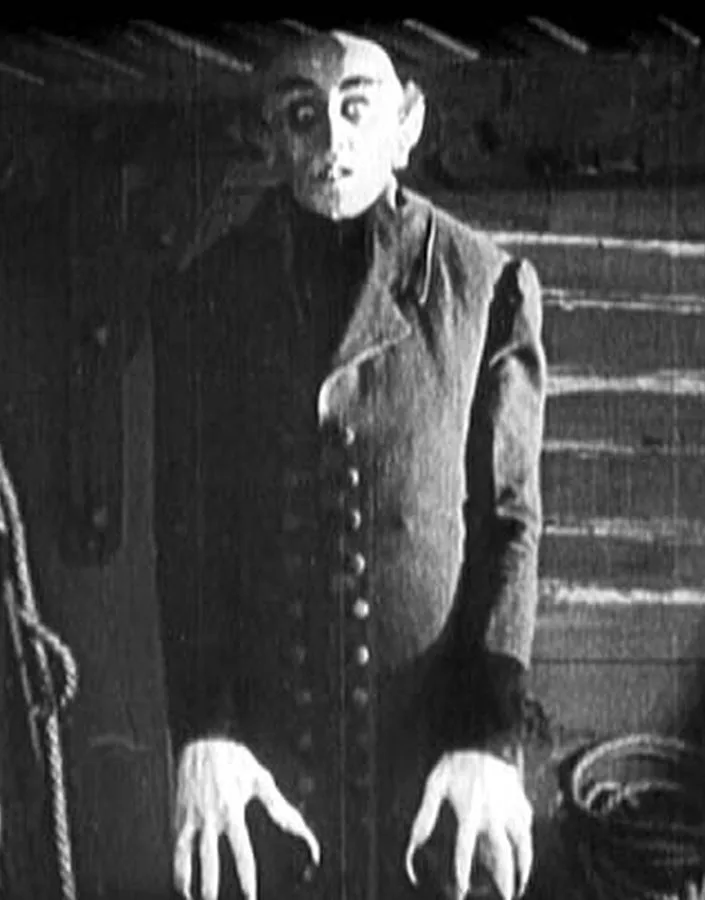
Prana Film took the novel without asking: changed the names, moved the action to Wismar, and released it. Stoker’s widow, Florence, sued and won. The court ordered the negative and every print destroyed.
Prints had already left the country. The film survives only because the ruling was carried out badly — and it is in the public domain today, which is why this frame can sit on this page.
Questions people actually ask
Is Dracula a hard read?
Shorter than it looks — 332 pages, and the letters-and-diaries form breaks the text into short stretches on its own. The hardest passages are Van Helsing’s, whom Stoker writes in broken English.
Where do I start if I know the films?
Here, because almost none of the screen image comes from the book. The cape, the fangs and the aristocratic charm were invented by theatre and cinema. The Dracula of the novel is an old man with a moustache who smells and crawls head-first down a wall.
Is reading it by the dates worth it?
If it is your first time and you are not in a hurry, yes. From 3 May to 6 November, entry by entry, on the day it was written. If you just want to know the book, reading straight through costs you nothing but the rhythm.
Can I read it free?
The English original, yes — Stoker died in 1912, so the text is in the public domain and sits in Project Gutenberg. Translations are a separate matter: a translation carries its own copyright.
Read it
Stoker’s text has been free since 1912. A good edition has not.
Link de afiliado: comprar por ele apoia o BookRank sem custo extra para você.
Where next
Its place in the horror ranking, all 12 adaptations and the scores behind the number — plus this page in eight other languages.