Dystopian novels to read
Not sure which dystopian novels to read? We ranked 81 of them using 115,493 reader ratings; the average is 7.7/10. Below: three books to start with, then short reads, series starts, new books, and classics.
If you read only one, make it Nineteen Eighty-Four by George Orwell (8.5/10). If you prefer a series: start The Hunger Games with its first book.
Start here
Three dystopian novels that many readers rate highly — each one a first volume or a book that stands alone.
 Nineteen Eighty-Four
Orwell’s novel is admired less for comfort than for clarity.

Short reads: under 300 pages
For a weekend or a commute. 18 of the rated dystopian novels are this short; these score best.
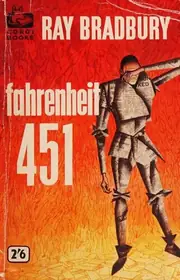
Series worth starting
The first volume of each series, with the full reading order one click away.

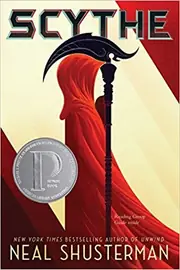

New in 2025 and 2026
The best-rated new books with at least 50 reader ratings.



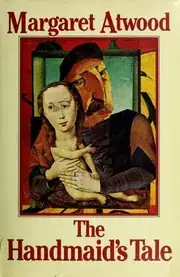
Classics from before 1976
Still read, still rated: the older books that hold up best.



Liked this? Try that
Pairs from our similarity data: the same kind of story, a different author.
How long are the rated dystopian novels?
75 of 81 rated titles with a known page count. Largest group: 300–499 pages.
Narrow it down with “Find a book”
“Find a book” holds 57 dystopian novels. Pick a shortcut — the filters are already set:
Questions readers ask
What dystopian novels should I read first?
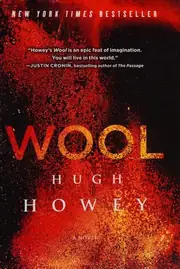
Nineteen Eighty-Four by George Orwell: 8.5/10 from 9,320 ratings, and it needs no earlier book. Next on our list: Red Rising and Wool.
What is a good dystopian novel under 300 pages?
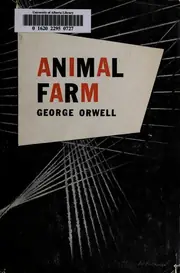
Animal Farm (128 pages, 8.3/10) is the highest-rated one under 300 pages.
Which dystopian novel series should I start?
The Hunger Games: begin with the book of the same name, the first of 5 books. The reading order page lists every volume.
What are the best new dystopian novels?
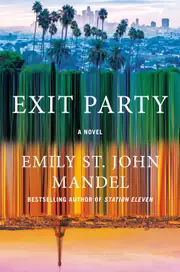
Exit Party (2026) leads the recent titles at 7.9/10 from 51 ratings.
How are these books chosen?
Only books with enough reader ratings to be ranked (at least 50) are picked. The score is a weighted average across independent rating sources, pulled toward the category average when ratings are few.