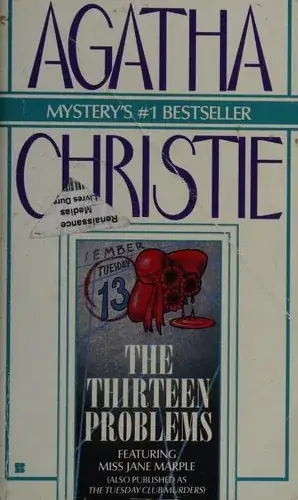
The Thirteen Problems
- 222
- Pages
- about 4 h
- Reading time
Affiliate link: buying through it supports BookRank at no extra cost to you.
Our view
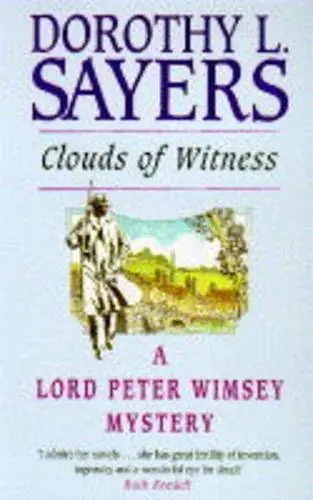
“The Thirteen Problems” is where Miss Marple begins: thirteen short puzzles, the first stories in which Christie used her. A frame set in the village of St Mary Mead links them, with Raymond West, her nephew, and Sir Henry Clithering, a friend, among the company. Some readers find that frame thin and the stories adequate but not gripping. It suits those who like their mysteries brief and are curious about the character’s first outings.
The view of the BookRank editors, written from readers’ ratings and comments. It does not affect the score or the book’s place in a ranking.
About the book
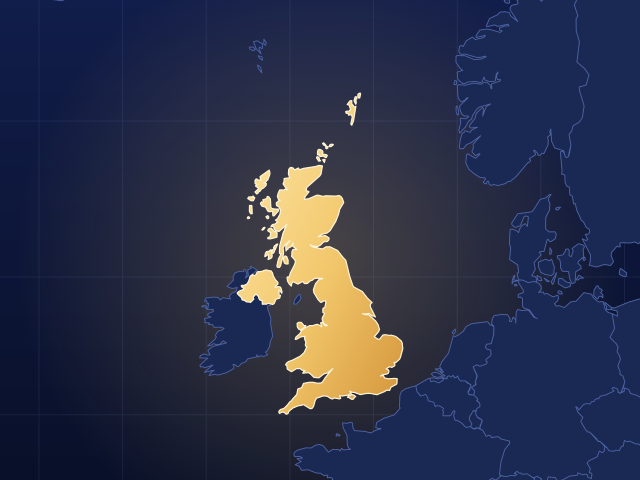
The Thirteen Problems is a short story collection by British writer Agatha Christie, first published in the UK by Collins Crime Club on 18 June 1932 and in the US by Dodd, Mead and Company in 1933 under the title The Tuesday Club Murders. The UK edition retailed at seven shillings and sixpence (7/6) and the US edition at $2.00. The thirteen stories feature the amateur detective Miss Marple, her nephew Raymond West, and her friend Sir Henry Clithering. They are the earliest stories Christie wrote about Miss Marple, the individual stories having originally appeared in various magazines between 1927 and 1931. The main setting for the frame story is the fictional village of St Mary Mead.
Where the score comes from
The sources average 7.5 across 125 ratings — not yet many, so the reader vote carries 46% of the weight and the rest pulls toward the Crime & mystery average of 7.6. That is how 7.6 comes out.
| Source | Average | Ratings | Weight |
|---|---|---|---|
| Open Library | 7.7 | 12 | 10% |
| Hardcover | 7.5 | 113 | 90% |
Frequently asked
How long is The Thirteen Problems?
It has 222 pages — shorter than 95% of the ranked books in Crime & mystery.
In this book
Themes this book shares with others — each leads to the best books on it.
If you liked this
The same shelf — Crime & mystery — and a score of 7.6, the closest to this book.