#20 in Popular science
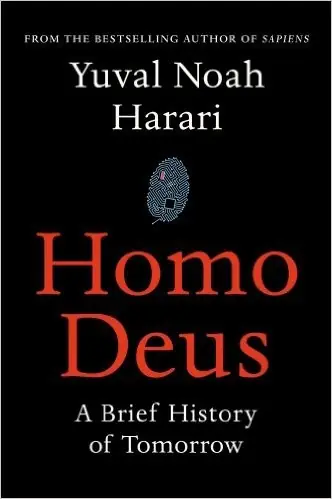
Homo Deus: A Brief History of Tomorrow
- 464
- Pages
- about 9 h
- Reading time
Affiliate link: buying through it supports BookRank at no extra cost to you.
About the book
"Over the past century humankind has managed to do the impossible and rein in famine, plague, and war. This may seem hard to accept, but, as Harari explains in his trademark style--thorough, yet riveting--famine, plague and war have been transformed from incomprehensible and uncontrollable forces of nature into manageable challenges. For the first time ever, more people die from eating too much than from eating too little; more people die from old age than from infectious diseases; and more people commit suicide than are killed by soldiers, terrorists and criminals put together. The average American is a thousand times more likely to die from binging at McDonalds than from being blown up by Al Qaeda. What then will replace famine, plague, and war at the top of the human agenda? As the self-made gods of planet earth, what destinies will we set ourselves, and which quests will we undertake? Homo Deus explores the projects, dreams and nightmares that will shape the twenty-first century--from overcoming death to creating artificial life. It asks the fundamental questions: Where do we go from here? And how will we protect this fragile world from our own destructive powers? This is the next stage of evolution" -- provided by publisher.
Where the score comes from
The sources average 8.3 across 888 ratings. With that many, the reader vote carries 85% of the weight and the score stays at 8.3 — the Popular science average of 8.3 barely moves it.
| Source | Average | Ratings | Weight |
|---|---|---|---|
| Open Library | 8.6 | 35 | 4% |
| Hardcover | 8.3 | 853 | 96% |
Frequently asked
How long is Homo Deus: A Brief History of Tomorrow?
It has 464 pages — longer than 79% of the ranked books in Popular science.
In this book
Themes this book shares with others — each leads to the best books on it.
If you liked this
Same shelf — Popular science — with scores between 8.3 and 8.4, closest to this book.