nr 20 w kategorii Popularnonaukowe
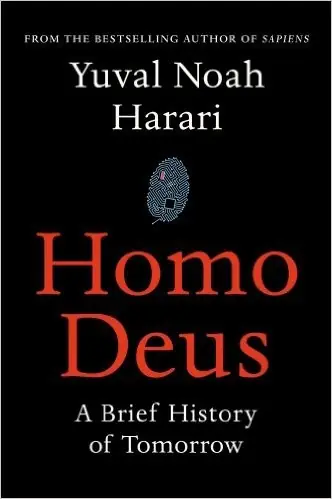
Homo deus. Krótka historia jutra
- 464
- Stron
- ok. 9 godz.
- Czas czytania
Link partnerski: kupując przez niego, wspierasz BookRank. Cena się nie zmienia.
O książce
"Over the past century humankind has managed to do the impossible and rein in famine, plague, and war. This may seem hard to accept, but, as Harari explains in his trademark style--thorough, yet riveting--famine, plague and war have been transformed from incomprehensible and uncontrollable forces of nature into manageable challenges. For the first time ever, more people die from eating too much than from eating too little; more people die from old age than from infectious diseases; and more people commit suicide than are killed by soldiers, terrorists and criminals put together. The average American is a thousand times more likely to die from binging at McDonalds than from being blown up by Al Qaeda. What then will replace famine, plague, and war at the top of the human agenda? As the self-made gods of planet earth, what destinies will we set ourselves, and which quests will we undertake? Homo Deus explores the projects, dreams and nightmares that will shape the twenty-first century--from overcoming death to creating artificial life. It asks the fundamental questions: Where do we go from here? And how will we protect this fragile world from our own destructive powers? This is the next stage of evolution" -- provided by publisher.
Skąd bierze się wynik
Średnia ze źródeł to 8,3 z 888 ocen. Przy takiej liczbie głos czytelników waży 85% i wynik zostaje na 8,3 — średnia kategorii Popularnonaukowe (8,3) prawie nim nie rusza.
| Źródło | Średnia | Ocen | Waga |
|---|---|---|---|
| Open Library | 8,6 | 35 | 4% |
| Hardcover | 8,3 | 853 | 96% |
Najczęstsze pytania
Ile stron ma Homo deus. Krótka historia jutra?
Ma 464 strony — więcej niż 79% książek z rankingu w kategorii Popularnonaukowe.
W tej książce
Motywy i nastrój, które łączą ją z innymi — każdy prowadzi do najlepszych książek z tym motywem.
Jeśli to Ci się podobało
Ta sama półka — Popularnonaukowe — i wynik między 8,3 a 8,4, najbliżej tej książki.