關於本書
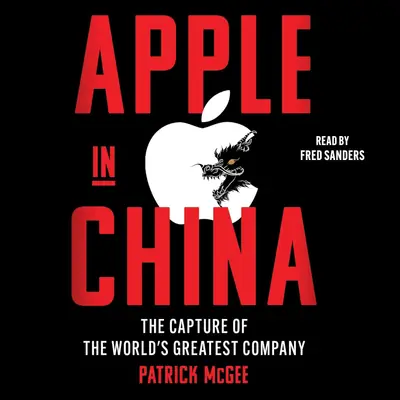
For readers of Walter Isaacson’s Steve Jobs and Chris Miller’s Chip War, a riveting look at how Apple helped build China’s dominance in electronics assembly and manufacturing only to find itself trapped in a relationship with an authoritarian state making ever-increasing demands. Apple isn’t just a brand; it’s the world’s most valuable company and creator of the 21st century’s defining product. The iPhone has revolutionized the way we live, work, and connect. But Apple is now a victim of its own success, caught in the middle of a new Cold War between two superpowers. On the brink of bankruptcy in 1996, Apple made a strategic move to offshore its operations. By 2003 it was being lured to China by the promise of affordable labor that allowed the company to churn out premium products at an unprecedented scale. For years, the Silicon Valley giant sent thousands of America’s top engineers to China and spent tens of billions of dollars on equipment, spurring the transformation of a cheap labor country into the world’s most sophisticated electronics manufacturing powerhouse. Fast forward to today: 90% of iPhone assembly happens in China. Despite capturing less than 20% of the global smartphone market, Apple’s operations allow it to rake in 80% of the sector’s profits.
分數的組成
各來源在 77 則評分上的均值是 9.2。數量還不多,讀者票只占權重的 34%,其餘被拉向科技與 IT的均值 8.0。8.4 就是這麼來的。
| 來源 | 平均 | 評分數 | 權重 |
|---|---|---|---|
| Hardcover | 9.2 | 77 | 100% |
讀者的聲音
Hardcover 上獲讚最多的書評(註明作者)。
“I went into this book knowing absolutely nothing of Apple's dealings in China and left with the feeling that the kind of compromises Apple have had to make would be the same made by any other large corporation seeking to penetrate the Chinese market. This…”
本書主題
這本書與其他書共有的主題,點擊可查看該主題的佳作。
喜歡這本的話
同在科技與 IT書架,分數介於 7.5 與 8.3 之間,與本書最接近的作品。